

In today's fast-paced, ever-connected world, the phrase "digital media strategy" might conjure up images of flashy ads, viral TikToks, or perfectly curated Instagram feeds. But at Byte of Inspiration, we know that a digital strategy is about much more than promoting your products or services. It’s about building a foundation for long-term success and visibility in a digital-first world. Let’s dive into why a digital media strategy is crucial for everyone—and how it’s about more than just marketing. Visibility: The Cornerstone of Credibility A strong digital media presence starts with being findable. This is where search engine optimization (SEO) and Google Business Profile optimization come into play. When potential customers search for your business or the services you offer, showing up in the results isn’t just a convenience; it’s a trust signal. Think about it: if someone can't find you online, do they trust you exist? Probably not. By prioritizing SEO and ensuring your Google Business Profile is optimized, you’re not just increasing your chances of being found—you’re establishing credibility. And credibility builds loyalty. Digital Media as a Relationship Tool A digital media strategy isn’t just about what you say; it’s about how you listen and engage. Social platforms, Google reviews, and even email marketing give you unparalleled opportunities to interact with your audience. Answering questions, responding to reviews, and sharing valuable content positions your brand as approachable and authentic. People remember how you made them feel—and a personalized touch can go a long way. Staying Competitive No matter your industry, the digital landscape is a great equalizer. Whether you're a local coffee shop or a global SaaS company, your competitors are online—and your audience is, too. A solid digital media strategy ensures that you’re not just keeping up but standing out. For example, a well-optimized Google Business Profile can help you rank higher in local searches. Combine that with SEO strategies tailored to your niche, and you’re not just competing—you’re leading. Future-Proofing Your Business Digital trends evolve quickly, and businesses that resist embracing a digital-first mindset risk being left behind. A comprehensive digital strategy ensures you’re not just reacting to trends but anticipating them. From algorithm changes to emerging platforms, staying proactive helps you navigate change with confidence. Where Byte of Inspiration Comes In At Byte of Inspiration, we specialize in helping businesses like yours harness the power of digital media to create lasting impact. Our focus on SEO and Google Business Profile optimization means we’re not just chasing trends; we’re building sustainable strategies tailored to your goals. Whether it’s improving your local search ranking or ensuring your website speaks your audience’s language, we’re here to help. So, if you’ve been thinking about a digital media strategy as “something nice to have,” it’s time to think again. It’s not just about promotion—it’s about presence, engagement, and future-proofing your business. Let’s work together to make sure your digital strategy is as inspiring as the brand behind it. Ready to build your strategy? Contact Byte of Inspiration today and take the first step toward digital success.
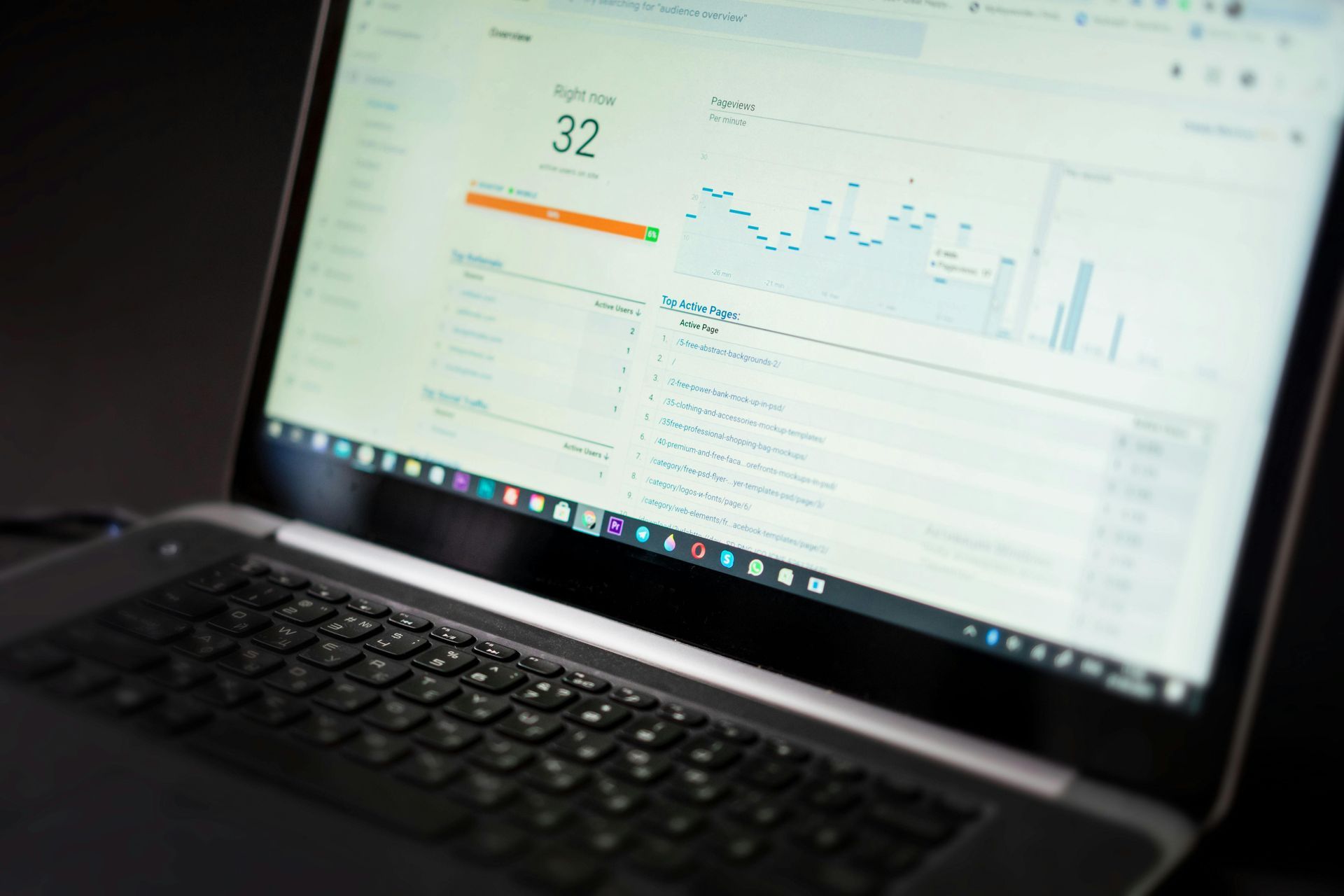
When most business owners think about marketing, they jump straight to paid ads or social media. But there is one completely free tool sitting right in front of you that could be driving dozens of new customers to your door every single month — your Google Business Profile. If you have not fully set up and optimized your Google Business Profile (formerly Google My Business), you are leaving money on the table. Let us break down why this tool is so powerful and what you can do to make the most of it. What Is a Google Business Profile? A Google Business Profile is the listing that appears when someone searches for your business or a business like yours on Google Search or Google Maps. It shows your business name, address, phone number, hours, photos, reviews, and more — all at a glance, without the user ever visiting your website. Think about the last time you searched for a restaurant or a plumber. You probably clicked on one of those listings with the star ratings and the map, right? That is the power of a Google Business Profile. Why It Is More Powerful Than You Think • It is free. Unlike Google Ads, there is no cost to create or maintain your profile. • It puts you on the map — literally. Appearing in the Google Maps results (the 'map pack') for local searches is one of the highest-value spots on the entire internet. • It builds instant trust. Reviews, photos, and your business information all help potential customers choose you over the competition before they even visit your website. • It drives calls and directions. Most users who find a business on Google Maps call or visit the same day. How to Optimize Your Google Business Profile Simply having a profile is not enough. To stand out from the competition, you need to treat your Google Business Profile like a living, breathing piece of your marketing strategy. Here is what we recommend: • Complete every section. Fill in your hours, website, phone number, service areas, and business description. Google rewards completeness. • Use keywords in your description. Think about what your customers search for and weave those phrases naturally into your profile. • Upload photos regularly. Businesses with more photos get significantly more clicks, calls, and direction requests. • Post updates. Yes, you can post on your Google Business Profile just like social media. Share promotions, new services, or news about your business. • Respond to every review. Good or bad, responding to reviews shows Google and customers that you are engaged and professional. The Bottom Line Your Google Business Profile is not just a listing — it is a direct line between your business and customers who are actively searching for what you offer right now. At Byte of Inspiration Digital, we specialize in optimizing Google Business Profiles as part of our local SEO strategy so you show up first and get chosen first. Reach out to us today for a free consultation.
If you have ever looked into marketing your business online, you have probably come across both SEO and Google Ads. They both help you show up on Google. They both drive traffic to your website. But they work very differently — and depending on where your business is right now, one may be a better fit than the other. Let us break both down in plain English so you can make the best decision for your budget and goals. What Is SEO? SEO stands for Search Engine Optimization. It is the process of improving your website and online presence so that Google ranks you higher in the organic (non-paid) search results. When someone searches for 'best plumber in Boston' and your website shows up on the first page without you paying for that click — that is SEO at work. Pros of SEO: • Long-lasting results — rankings can stay for months or years • Builds credibility and trust with customers • Free traffic once you rank • Great return on investment over time Cons of SEO: • Takes time — usually 3 to 6 months to see significant results • Requires ongoing effort and content What Are Google Ads? Google Ads (also called Pay-Per-Click or PPC) are the sponsored listings that appear at the top of Google search results with a small 'Sponsored' label. You bid on keywords, and when someone searches for that keyword, your ad can appear. You only pay when someone clicks. Pros of Google Ads: • Immediate visibility — your ad can appear the same day • Highly targeted — choose who sees your ad by location, time, and keyword • Great for promotions and seasonal campaigns Cons of Google Ads: • You pay for every click — costs add up quickly without a solid strategy • Traffic stops the moment you stop paying So Which One Should You Choose? The honest answer? For most local businesses, the best strategy combines both. Use Google Ads to drive immediate leads while your SEO builds over time. Once your SEO kicks in and you are ranking organically, you can reduce your ad spend and enjoy more cost-effective traffic. At Byte of Inspiration Digital, we help local businesses build smart marketing strategies that make every dollar count. Whether you are ready to start with SEO, Google Ads, or both — we would love to chat. Reach out for a free consultation today.

You built a beautiful website, hit publish, and waited for the customers to roll in. But weeks have passed and Google still does not seem to know you exist. Sound familiar? You are not alone. Here are the 5 most common reasons your website is not showing up on Google — and exactly what you can do to fix each one. 1. Your Website Is Too New Google needs time to discover, crawl, and index new websites. If your site is brand new, it may simply not have been found yet. The fix here is to submit your sitemap directly to Google Search Console and start building backlinks from other reputable websites. This speeds up the process and tells Google your site is worth indexing. 2. You Are Not Targeting the Right Keywords Having a website is not enough — you need to have the right words on it. If your content does not match what your potential customers are actually typing into Google, you will not appear in their search results. Proper keyword research is the foundation of good SEO. Think about what problems your customers are trying to solve and make sure your website speaks to those directly. 3. Your Website Is Not Mobile Friendly Over 60% of Google searches happen on a mobile device. If your website does not load properly or look great on a phone, Google will penalize you in the rankings. This is called mobile-first indexing, and it means Google primarily looks at the mobile version of your site when deciding where to rank you. 4. Your Site Loads Too Slowly Page speed is a direct Google ranking factor. If your website takes more than 3 seconds to load, you are likely losing both customers and rankings. Common causes include oversized images, poor hosting, and bloated code. Tools like Google PageSpeed Insights can show you exactly what is slowing you down. 5. You Have No Backlinks or Online Authority Google sees backlinks — links from other websites pointing to yours — as votes of confidence. If no other websites link to you, Google has little reason to trust that your site is an authority on anything. Building backlinks through directories, local partnerships, press coverage, and quality content is one of the most impactful things you can do for your SEO. The Bottom Line None of these problems are impossible to fix — but they do require a strategic approach. At Byte of Inspiration Digital, we specialize in diagnosing exactly what is holding your website back and building a custom plan to get you ranking. Contact us today for a free online presence assessment.

A lot of business owners treat social media and SEO as two completely separate strategies. One team handles the Instagram posts, another handles the Google rankings — and never the two shall meet. But here is the truth: when social media and SEO work together, they create a marketing engine that is far more powerful than either one alone. Social Media Does Not Directly Affect Google Rankings — But It Helps Google has stated that social media signals are not a direct ranking factor. However, the indirect impact of a strong social media presence on your SEO is undeniable. Here is how: • Content distribution. When you share a blog post or page on social media, more people see it. More visibility means more chances of earning backlinks, which directly boost your SEO. • Brand searches. A strong social media following drives more people to search for your business by name on Google, which signals authority to Google’s algorithm. • Traffic. Social media drives traffic to your website. Google notices when people visit your site and engage with it — this improves your ranking signals. How We Use SEO to Drive Your Social Media Strategy At Byte of Inspiration Digital, we do not just post for the sake of posting. Every piece of content we create for your social media is rooted in SEO strategy. That means: • We research the keywords your customers are searching for and build content around those topics • We create posts that answer common questions your audience has — establishing you as the local expert • We include links back to your website to drive direct traffic and sales • We align your social media content with your overall SEO goals so every platform is working toward the same result: more customers for your business The Result: A 360-Degree Online Presence When your social media and SEO are aligned, you show up everywhere your customers are looking — whether they find you on Google, Facebook, Instagram, or Google Maps. That kind of consistent, multi-channel visibility is what separates businesses that thrive online from those that struggle. Ready to see how this can work for your business? Reach out to Byte of Inspiration Digital today for a free consultation.
If you own a local business, there is no more valuable piece of digital real estate than the Google Maps ‘map pack’ — the three business listings that appear at the top of Google when someone searches for a local service. Appearing in that pack can mean the difference between your phone ringing off the hook and your competitors getting all the calls. Here is your complete guide to getting there. Step 1: Claim and Verify Your Google Business Profile If you have not already claimed your Google Business Profile, that is your first step. Go to business.google.com and follow the verification process. Google will usually send a postcard with a code to your business address. Once verified, you have full control over how your business appears on Google Maps. Step 2: Nail Your Business Information (NAP) NAP stands for Name, Address, and Phone Number. Google cross-references your business information across the entire web. If your NAP is inconsistent — say, your address is listed differently on your website versus Yelp versus Facebook — Google gets confused and ranks you lower. Make sure your business name, address, and phone number are identical everywhere they appear online. Step 3: Build and Respond to Reviews Reviews are one of the biggest factors in Google Maps rankings. The more positive reviews you have, the better. But it is not just about quantity — the quality and recency of your reviews matter too. Here is how to build your review profile: • Ask happy customers to leave a review right after their experience • Send follow-up emails or texts with a direct link to your Google review page • Respond to every review — both positive and negative — professionally and promptly Step 4: Add Keywords to Your Profile Your Google Business Profile is not just a listing — it is a searchable piece of content. Use relevant keywords naturally in your business description, your services list, and even in your responses to reviews. Think about what your ideal customer types into Google and make sure those phrases appear in your profile. Step 5: Post Regularly and Add Photos Google rewards active profiles. Post updates at least once a week — think of it like social media for your Google listing. Share promotions, events, new services, or tips. And add fresh photos regularly. Businesses with more photos consistently outperform those without in Google Maps rankings. Step 6: Build Local Citations A local citation is any mention of your business online — in directories like Yelp, Yellow Pages, the Better Business Bureau, or local Chamber of Commerce websites. The more consistent citations you have pointing back to your business, the more authority Google assigns to you in your local area. Let Us Do the Heavy Lifting Dominating Google Maps takes strategy, consistency, and knowledge of how Google’s algorithm works. At Byte of Inspiration Digital, Google Maps optimization is one of our specialties. We have helped local businesses across Massachusetts climb to the top of the map pack and stay there. Contact us today for a free consultation and let’s get your business to the top of the map.